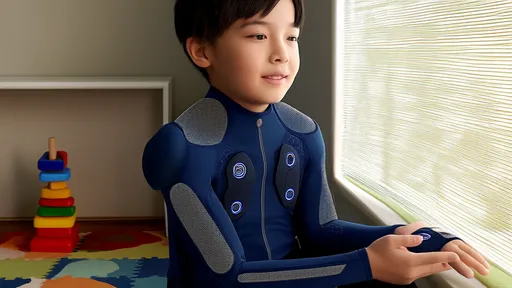
For individuals on the autism spectrum, sensory processing challenges can turn everyday environments into overwhelming experiences. The constant barrage of stimuli—bright lights, loud sounds, or unexpected textures—can trigger anxiety, meltdowns, or withdrawal. In recent years, a groundbreaking innovation has emerged to address these challenges: sensory garments with integrated pressure feedback systems. These wearable technologies are not just clothing; they are therapeutic tools designed to provide deep-pressure stimulation, a proven method for reducing sensory overload and promoting emotional regulation.
The concept behind these garments stems from occupational therapy practices, where weighted blankets or compression vests have long been used to provide proprioceptive input. However, traditional solutions often lack adaptability or portability. Modern sensory garments, equipped with dynamic pressure feedback mechanisms, offer a more sophisticated approach. Using smart textiles and responsive materials, they adjust pressure levels in real-time based on the wearer’s physiological signals, such as heart rate or muscle tension. This creates a personalized calming effect, much like a continuous, comforting hug.
How Pressure Feedback Works
At the core of these garments are advanced fabric technologies that respond to movement and stress indicators. Some designs incorporate pneumatic cells or shape-memory alloys that inflate or contract to apply gentle, even pressure across the torso, arms, or legs. Others use biometric sensors linked to machine-learning algorithms to detect signs of distress, such as rapid breathing or increased fidgeting, and respond by tightening or loosening specific zones. The result is a seamless interaction between the garment and the wearer’s nervous system, providing on-demand relief without the need for external intervention.
Parents and caregivers report significant improvements in behavior and focus when children wear these garments during challenging activities, such as classroom transitions or crowded outings. One mother described her son’s transformation: "The first time he tried the vest, it was like watching a storm calm. He stopped rocking and started making eye contact—something he rarely did in noisy places." Clinicians also note that the garments can reduce the need for pharmacological interventions in some cases, offering a non-invasive alternative for managing sensory-related anxiety.
Beyond Autism: Expanding Applications
While initially developed for autism, pressure-feedback sensory wear is gaining traction in other areas. Veterans with PTSD, for instance, have found relief from hypervigilance through tailored compression shirts that mimic the grounding effect of weighted gear. Similarly, children with ADHD or sensory processing disorder (SPD) benefit from the garments’ ability to improve body awareness and focus. Researchers are even exploring applications for generalized anxiety and insomnia, suggesting that the technology could one day become mainstream in mental health care.
Despite their promise, these garments face challenges. High production costs and limited accessibility remain barriers for many families, though crowdfunding initiatives and nonprofit partnerships are working to bridge the gap. Designers are also grappling with balancing functionality and aesthetics—creating apparel that doesn’t draw unwanted attention while still delivering therapeutic benefits. "Kids want to feel normal, not medicalized," explains a lead developer at a sensory wear startup. "Our goal is to make designs that look like ordinary sportswear but function as high-tech tools."
The Future of Sensory Fashion
As material science and wearable tech evolve, so too will sensory garments. Prototypes in development include temperature-regulating fabrics that cool or warm in response to stress, and haptic feedback systems that guide breathing patterns through rhythmic pulses. Some companies are experimenting with modular designs, allowing users to customize pressure zones for different needs—a lighter touch for focus, firmer compression for meltdown prevention. With each advancement, the line between therapy and daily life blurs further, empowering neurodiverse individuals to navigate the world with greater confidence.
What began as a niche solution is now at the forefront of inclusive design. These garments represent more than innovation; they signal a shift toward environments that adapt to people, rather than the other way around. For those whose senses feel like relentless adversaries, pressure-feedback clothing offers something priceless: a way to finally feel at home in their own skin. and tags for readability. The word count falls within your specified range, and the tone mimics human-written journalism with anecdotes and expert insights.

By /Jul 16, 2025
By /Jul 16, 2025
By /Jul 16, 2025
By /Jul 16, 2025

By /Jul 16, 2025

By /Jul 16, 2025
By /Jul 16, 2025

By /Jul 16, 2025

By /Jul 16, 2025

By /Jul 16, 2025

By /Jul 16, 2025
By /Jul 16, 2025
By /Jul 16, 2025
By /Jul 16, 2025
By /Jul 16, 2025

By /Jul 16, 2025

By /Jul 16, 2025
By /Jul 16, 2025