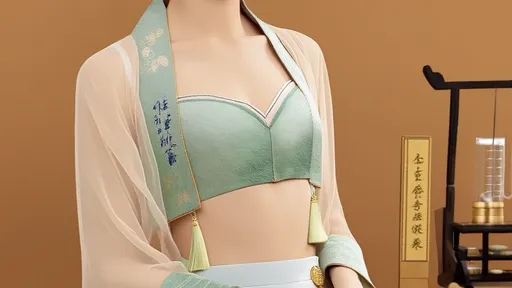
The fusion of traditional Chinese medicine with modern textile technology has birthed an innovative product category: herbal-infused lingerie embedded with microencapsulated botanical extracts. This groundbreaking approach to intimate apparel combines centuries-old wisdom with 21st-century material science, creating garments that promise not just comfort but potential therapeutic benefits.
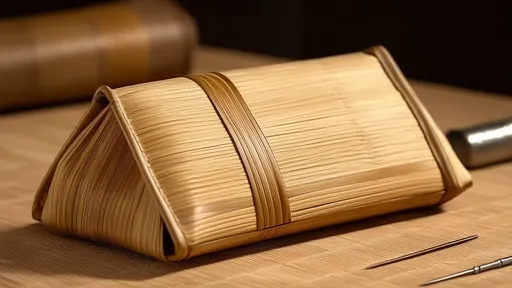
At the heart of this innovation lies the ancient Chinese practice of aromatic sachets - small fabric pouches filled with medicinal herbs believed to promote health and ward off illness. Historical records from the Ming Dynasty document imperial concubines wearing scented sachets beneath their robes, while physicians of the Qing era prescribed specific herb combinations for different constitutional types. Today's high-tech undergarments represent a direct evolution of these traditions, translated through the lens of contemporary science.
Microencapsulation technology serves as the crucial bridge between traditional herbal wisdom and modern wearables. This process involves encasing volatile aromatic compounds and active botanical ingredients in microscopic polymer shells, typically measuring between 1-100 microns in diameter. When applied to fabric, these capsules gradually release their contents through mechanical friction and body heat, creating a sustained diffusion of therapeutic molecules.
The selection of herbs follows rigorous TCM principles, with formulations often tailored for specific purposes. Common ingredients include chrysanthemum for its cooling properties, mint for refreshment, and clove for its antimicrobial effects. More specialized blends might incorporate ginseng for vitality, angelica for circulation, or honeysuckle for its skin-soothing qualities. Each combination undergoes laboratory testing to ensure stability within the microcapsules and appropriate release kinetics when worn.
Manufacturing these innovative garments presents unique technical challenges. The microcapsules must withstand washing while maintaining controlled release properties. Advanced bonding techniques anchor the capsules to fabric fibers without compromising the textile's breathability or softness. Some manufacturers employ phase-change materials that respond to body temperature fluctuations, while others utilize moisture-triggered release mechanisms for smarter delivery of active compounds.
Clinical studies on similar transdermal delivery systems suggest promising applications for this technology. Research indicates that continuous low-dose exposure to certain plant compounds may be more effective than intermittent high-dose applications. The intimate contact between skin and fabric creates an ideal delivery environment, particularly for compounds targeting women's health concerns like menstrual discomfort or mild urinary tract issues.
Consumer response has been notably enthusiastic in Asian markets, where TCM concepts enjoy widespread cultural acceptance. Early adopters report subjective improvements in skin condition, reduced body odor, and enhanced overall comfort. Some users with specific health concerns describe measurable benefits, though researchers caution that more rigorous studies are needed to validate these anecdotal reports.
Regulatory considerations present an evolving landscape for these hybrid products. Different jurisdictions classify them variously as personal care items, medical devices, or conventional apparel. Manufacturers must navigate complex labeling requirements regarding health claims while ensuring product safety through dermatological testing and quality control of raw herbal materials.
The environmental impact of microencapsulated textiles has prompted innovation in biodegradable shell materials. Recent developments include plant-derived polymers that break down harmlessly after the active compounds have been released. Some companies have implemented closed-loop production systems to minimize waste during the capsule application process.
Looking ahead, the convergence of smart textiles with herbal medicine suggests fascinating possibilities. Prototypes in development incorporate sensors to monitor physiological parameters and adjust herb release accordingly. Other experimental designs feature layered capsules that deliver different compounds at various times of day or stages of the menstrual cycle.
Critics within both the TCM and scientific communities urge cautious optimism. Traditional practitioners emphasize that true herbal efficacy depends on proper diagnosis and individualized prescriptions. Materials scientists note the challenges in maintaining consistent release rates across diverse body types and activity levels. Nonetheless, the growing market for these products indicates strong consumer interest in this novel integration of heritage and innovation.
As research continues, microencapsulated herbal lingerie may represent just the beginning of a broader movement toward bioactive clothing. The success of these products demonstrates how ancient healing traditions can find new relevance through technological adaptation, creating wearable solutions that honor the past while embracing the future of personal wellness.
By /Jul 16, 2025
By /Jul 16, 2025
By /Jul 16, 2025
By /Jul 16, 2025

By /Jul 16, 2025

By /Jul 16, 2025
By /Jul 16, 2025

By /Jul 16, 2025

By /Jul 16, 2025

By /Jul 16, 2025

By /Jul 16, 2025
By /Jul 16, 2025

By /Jul 16, 2025
By /Jul 16, 2025
By /Jul 16, 2025

By /Jul 16, 2025

By /Jul 16, 2025

By /Jul 16, 2025